1. Physical Interactions
When considering physical interactions in the Universe, we first recall the gravitational and electromagnetic interactions. Interestingly, until the 1930s, physicists knew only these two fundamental interactions. However, the composition and structure of the atomic nucleus required the introduction of a strong interaction that could withstand the Coulomb repulsion between protons in the atomic nucleus for their understanding. To explain the nature of the strong interaction, the Japanese physicist Hideki Yukawa in 1935 proposed using an exchange mechanism that requires the existence of exchange particles of intermediate masses - mesons. The intermediate mass was needed exclusively so that the interaction propagated exclusively within the atomic nucleus. Later, these particles were found.
The discovery of the quark structure of nucleons changed the approach to the physics of the strong interaction. Now, the strong interaction is attributed to the interaction between quarks, which involves exchanging gluons.
Further studies of the atomic nucleus showed that there are two types of interaction: fast, with a characteristic time of 10-23 seconds, and slow, with a time of 10-10 seconds. The first type was called strong, and the second weak.
The understanding that everything in the Universe has a hierarchical structure is necessary to clarify our knowledge of the physics of fundamental interactions. Each element of the hierarchical structure must correspond to a separate physical interaction. According to this law, seven fundamental interactions must be described.
To describe all seven types of fundamental interactions, we will use the model of the creation and evolution of the UMIE, which can solve the problem posed from a single position.
1.1. Strong Interactions
In the 1930s, it was understood that physical interactions are conducted by exchanging bosons responsible for the corresponding interaction. For the first time, the Japanese physicist Hideki Yukawa used such a mechanism to describe the strong interaction. Only the exchange of massive bosons could explain the small radius of action of the strong interaction. Such particles are called mesons since they should have intermediate masses between electrons and nucleons. Therefore, according to the Yukawa model, the strong interaction in World-4 manifests itself as a result of one nucleon emitting a π-meson, and the other absorbing it in time t ~10-23 s. Such particles are called virtual, since they are in a potential well created by nucleons. These particles must be freed from interaction with nucleons to make them real. It is necessary to give the pion energy to overcome the work function and provide kinetic energy (analogous to the photoelectric effect). Unfortunately, this model is proposed phenomenologically and does not provide a complete understanding of the physics of the strong interaction. In particular, the nature of the potential well in which the virtual bosons are located is not understood.
Taking into account the above remarks, the author proposed in the article
| [1] | Petro O. Kondratenko. The Birth and Evolution of the Universe with minimal initial Entropy. // International Journal of Physics and Astronomy. December 2015, Vol. 3, No. 2, pp. 1-21. Published by American Research Institute for Policy Development. URL: http://dx.doi.org/10.15640/ijpa.v3n2a1 |
[1]
a model of the UMIE based on the Law of Similarity and the Law of Unity. This model provides a detailed understanding of the processes of the strong interaction.
1.1.1. Strong Interaction in the Standard Model
According to the Standard Model, all particles (baryons, leptons, and quarks) are located in a single space, that is, in the space of our Universe. This creates certain problems in understanding the physics of the Universe. It has been proven that the charge of an electron is a quantum indivisible quantity, and quarks, for unknown reasons, have a charge three times smaller. In addition, quarks have an additional charge called color. There are three types of color charges.
All particles consisting of quarks belong to the class of hadrons. Some consist of a quark and an antiquark, others of three quarks. In all cases, quarks are grouped so that the sum of the colors creates a white color, as in optics. In particular, a proton and a neutron consist of 3 quarks, and pions - a quark and an antiquark.
Figure 1. Quark structure of a proton and neutron.
The charges of quarks for a proton combine to +1 (in units of elementary charge), and for a neutron to 0. Gluons, quanta of the strong interaction field hold quarks together. At any given moment, a quark can be in one of three states, or colors – r, b, g (red, blue, green). When a gluon is absorbed or emitted, the color of the quark can change, for example:
(1)
At the same time, the other quantum numbers of the quark and its flavor (the general name for a series of quantum numbers that characterize the type of quark or lepton) do not change.
From three colors (
r, b, g) and three anticolors (
), we can make a table of possible combinations of gluons to understand how many different gluons need to be introduced into the physics of the strong interaction (
Table 1).
Table 1. Combinations of colors and anticolors carried by gluons.
To satisfy the requirements of the strong interaction, the gluon was assigned spin 1, like the photon, and 2 spin states. It is electrically neutral and has a color charge . This list shows the charges of gluons that are in a reduced symmetry field. The symmetry of the free gluon is described within the SU(3) group.
The exchange of such gluons between quarks will describe the interquark interaction.
Additionally, it should be noted that in quantum chromodynamics, as in quantum mechanics, the interaction description occurs using wave functions, which must correspond to the symmetry of local space. Therefore, linear combinations of wave functions are first found to satisfy the condition of the problem. From the elements not located on the diagonal of the
table 1, 6 different color combinations can be made:
(2)
From the three elements located on the diagonal

,

,

) it is possible to construct 3 independent colorless (white) combinations. Two of them are:
are carriers of interaction, and the third
is entirely symmetric with respect to colors and represents a colorless color singlet. It is assumed (as a postulate) that a particle with such a color combination cannot be a carrier of color interaction between quarks
| [2] | F. J. Yndurain. Quantum Chromodynamics. An Introduction to the Theory of Quarks and Gluons. / Springer Verlag. New York, Berlin, Heidelberg, Tokio. – 1983. 288 p. |
| [3] | I. M. Dremin, A. B. Kaidalov. Quantum chromodynamics and phenomenology of strong interactions // Physics-Uspekhi (Advances in Physical Sciences), Bd. 176, No 3., P. 275, 2006. https://doi.org/10.1070/PU2006v049n03ABEH005873 |
[2, 3]
. Therefore, it is necessary to give an explanation for the absence of interaction in this case.
It is necessary to consider that the last three wave functions of quarks (formulas 5.3 and 5.4) are taken by analogy with the expression of the wave function of three interacting atoms (for example, iodine). In this case, the fully symmetric combination gives the minimum energy of the molecule, the antisymmetric (g3) corresponds to the absence of binding energy between atoms, and therefore, leaves the energy of the components unchanged, and the third (g8) is a loosening one, characterizing the increased energy of the state. Let's see what this understanding gives us.
For the binding to occur, it is necessary that the energy of the quark and the energy of the virtual gluon exceed the energy of the quark. It should be assumed that in the case of a fully symmetric gluon wave function, the total energy does not differ from the energy of the quark; the fully symmetric combination corresponds to an elementary particle of the vacuum (EVP). Therefore, a fully symmetric gluon will not be able to provide binding between quarks. All 8 combinations of gluons can be considered exciting states from the ground, fully symmetric, allowing them to participate in the strong interaction.
Thus, the first two symmetric combinations (g3 and g8), together with the six off-diagonal combinations, represent eight types of gluon wave functions, which meet the requirements of the SU(3) group. These eight types of gluons are believed to be the carriers of the intense color interaction.
It is essential to understand that the 8 types of gluons in the virtual state have different energy values and therefore should cause different interaction energies. Unfortunately, this information does not appear in the Standard Model of the strong interaction.
The quark structure of nucleons thoroughly explains the presence of a magnetic moment in the proton (2.79275 μp) and neutron (-1.93 μp).
The value of the strong interaction constant significantly exceeds the value of the electromagnetic interaction constant, which ensures the stability of atomic nuclei.
Pions are bosons that carry the strong interaction between hadrons. The structure of pions is represented by a quark and an antiquark, which have color and anticolor. That is, pions are colorless particles with zero spin.
In addition to pions, bosons include: the hypothetical graviton (spin 2), the photon (spin 1), W and Z bosons (spin 1), gluons (spin 1), mesons and meson resonances (spin 0), as well as the antiparticles of all of the above particles.
To estimate the mass of a pion, the uncertainty relation is used:
Let's find the distance that the virtual boson will move in time Δt
(6)
Equating this distance to the radius of the nucleus
, we can estimate the mass of the pion. Then a particle with the corresponding mass of physics was found in cosmic rays. The study found that particles showed they are a boson with zero spin. It was called a pion. Its mass turned out to be equal to
mπ± = 273
me, from which, according to formula (
6), the interaction radius
r = 8.9·10
-15 m was calculated.
Pions and nucleons in the free state have the quark composition: , , , p = uud, n = udd.
The lifetime of π
+ and π
- mesons is 2.6·10
-8 s, and the lifetime of the π
0 meson is 0.8·10
-16 s
| [4] | David J. Griffiths. Introduction to elementary particles. Harper & Row–1987. ISBN 0-471-60386-4. |
[4]
. The instability of mesons is due to the fact that they have a quark-antiquark structure, which provides the possibility of annihilation.
The nucleon is surrounded by virtual particles that provide its strong interaction within the atomic nucleus. As a result of virtual processes, the nucleon is in a coat of pions:
(7)
which forms the field of nuclear forces. The details of the creation of pions are not described in the theory. It is simply assumed that all processes occur within the framework of the uncertainty relation.
The transfer of these pions and the subsequent absorption by other nucleons leads to internucleon interaction, that is, to nuclear forces.
(8)
Now let's look at the internucleon interaction at the quark level. The interaction between a proton and a neutron looks like this:
(9)
Here, in the proton field, a virtual pion π
+ is born, which is transferred to the neutron, transforming it into a proton due to the annihilation of the
d quark of the neutron with the pion antiquark

. In this case, the
u quark remaining from the pion is part of the newly formed proton. Since the pion is in a virtual state, the release of energy does not accompany such annihilation, i.e. there is no γ-quantum radiation.
In detail, the interaction between a proton and a neutron n = (-½d(r)+ ½u(g)+ ½d(b)) with the participation of gluons in the Standard Model is described as follows.
a) gluon emission with a change in the color of a quark:
(10)
b) absorption of a gluon by another quark with a change in the color of the quark
(11)
Therefore, the transfer of a gluon occurs only in a singlet pair of quarks. In this case, the spin of the quark (-½) and its color are rigidly fixed and are transferred simultaneously. Thus, the spin is transferred from the first quark to the second, from the second to the third, from the third to the first, and so on in a circle. In this case, the rapid exchange of spin projections leaves the total spin constant and equal to ½.
c) transformation of a virtual boson - gluon into a virtual color quark-antiquark pair in the triplet state (total spin = 1):
1(b,) →1[½d(b) +½].(12)
This raises the question: can a virtual gluon transform into a colored quark pair in a triplet virtual state? In the new model, such a reaction is impossible. Rather, a virtual quark pair (pion) can be a boson without colors (white).
d) during the sequential course of reactions (
11) and (
12), the quark ½d(b), having emitted the gluon 1
(b,

), became the quark -½d(r). So, in this case, there were 2 identical quarks -½d(r)+ ½u(g)+ -½d(r). It is clear that such a quark composition of the nucleon is impossible. Therefore, the transformation of the emitted gluon into a virtual color quark-antiquark pair in the triplet state is impossible. However, in the Standard Model, this issue is circumvented by introducing the separation of one of the two identical quarks -½d(r), which in this case is exchanged with the quark ½d(b), which is part of the virtual pair, i.e., combines with the antiquark ½
, forming a virtual pion πо in the singlet state. The released quark ½d(b) joins the other two, completing the triplet of quarks ½d(b)+ ½u(g)+ -½d(r) with a total spin ½.
e) pion πо (-½d(r)+ ½) is transferred to proton p+ = (½d(g)+ -½u(r)+ ½u(b)). Since there is a constant exchange of gluons between quarks that make up the proton, the spins of quarks are constantly changing. Next, pion πо (-½d(r)+ ½) interacts with quark ½d(g). What causes such an exchange is not clear. In this case, as a result of the exchange of quarks, quark -½d(r) is released, which becomes a component particle of the proton, and the virtual pair of quarks (½+½d(g)) turns out to be colored in the triplet state, as a result of which it turns into gluon 1(g,), which turns -½d(r) into ½d(g). Such a complex process was introduced in order to symmetrize the processes of transformation of a gluon into a pair of quarks and transformation of a pair of quarks into a gluon.
So, the gluon turned into a pair of quarks, and the pair of quarks into a gluon. And what process will cause the strong interaction? Probably, this is the time from the birth of a gluon to its absorption by another nucleon. And what will ensure the maintenance of the strong interaction between nucleons at a constant level? It is necessary to introduce a mechanism for creating a new cycle of virtual pioneering.
If a gluon in reaction c) decays into a pair of u – quarks
1g(
b,
1g(
b,

) →
1[
½u(
b) +
½],
(13) then the combination -½d(r) + ½ will give a pion π–, and instead of a neutron a proton will be created
-½d(r)+½u(g)+½u(b) =p+.(14)
In this case, the pion π– is transferred to the proton p+, transforming it into a neutron n.
Conducting a similar consideration on the example of a proton, it is easy to establish the possibility of creating a pion π+ and transforming a proton into a neutron. In this case, the pion π+ is transferred to a neutron n, transforming it into a proton p+.
Thus, the above scheme explains the strong interaction between colorless particles in nuclei at the phenomenological level within the framework of the Standard Model within the framework of the Standard Model.
The unacceptable places in this scheme correspond to the reactions of forming a pion from a gluon and vice versa. Both reactions should be unlikely or even incredible.
Experiments show that neutral and charged pions are easily formed in laboratory conditions and when cosmic rays interact with the Earth's atmosphere. These facts confirm, to a certain extent, the nature of the strong interaction proposed in the Standard Model.
As for the criticism of the Standard Model of the strong interaction, it is worth pointing out the inconsistency of the exchange model of the interaction with the potential that describes the strong interaction between hadrons. The potential used by theorists is purely phenomenological and does not in any way follow from the exchange processes in the hadron. In addition, the Standard Model does not reveal the mechanism that ensures the directed transfer of a gluon between quarks and a pion between nucleons. Where does such knowledge come from if there is nothing between hadrons except gluons? The exchange interaction in the described model should be chaotic rather than strictly deterministic. So, what directs the virtual gluons, ensuring the deterministic interaction between hadrons? The above-mentioned hypothetical mechanism of the transformation of a virtual gluon into a pair of quarks and vice versa is also not understood.
1.1.2. Strong Interaction in the UMIE Model
The Law of Similarity operates in nature. Therefore, to understand the mechanisms of interaction between quarks using gluons, let us consider, as an example, the interaction between atoms in a molecule using a pair of electrons (also bosons) in a singlet state. In this case, the guiding cause of the movement of these bosons will be the electromagnetic field (EMF). Therefore, the movement of gluons must also be provided with an appropriate field.
Let us change the scheme of the strong interaction so that it is consistent with the new model of the Universe's birth as a Super-Universe component.
So, quarks and gluons are in World-3, and nucleons and pions are in World-4. We used such a model when considering the weak interaction
| [5] | Petro O. Kondratenko. Quarks and Leptons in the Model of the Universe with a Minimum Initial Entropy. // International Journal of Physics and Astronomy. December 2015, Vol. 3, No. 2, pp. 51-69. Published by American Research Institute for Policy Development URL: http://dx.doi.org/10.15640/ijpa.v3n2a4 |
[5]
. Now we will use this model to describe the details of the strong interaction between quarks and between hadrons. In doing so, we note that quarks and nucleons are simultaneously carriers of the SF
, as was mentioned in point 2 of the first part of this review.
Let us assume that in World-3 there is a cyclic transfer of gluons in the quark triplet [½d(g)+ ½u(r)+-½u(b)], which corresponds to the proton in World-4, or the quark triplet [½d(g)+ -½d(r)+ ½u(b)] in the case of a neutron. A gluon with a spin projection of 1 is transferred to a quark whose spin is (-½), and vice versa, if the gluon spin projection is opposite. The color composition of the gluon must strictly correspond to the colors of the quarks between which it is transferred. This exhausts the strong color interaction between quarks within one nucleon.
The strong colorless interaction between nucleons occurs simultaneously in World-3 and World-4. Note that in World-4 we have the standard Yukawa scheme of the mechanism of strong interaction by transferring a virtual pion between nucleons. In World-3, virtual neutral pions correspond to excited EVPs [] or [], where α = r, g, b. It is such structures that correspond to the neutral pion in World-4. If this pair is born in a triplet of quarks that are components of a neutron, then it should have a quark structure , and the components of a proton - . In this case, neutral pions in World-4 are born from the EVPs of World-4 due to the energy of the same SF.
In all cases, colorless virtual pairs of quarks in the singlet state and their corresponding neutral pions are formed from the EVP. In this case, the SF energy in the vicinity of the system of quarks that make up the nucleon decreases by the amount of excitation of the virtual pion. This virtual pair can interact with the triplet of quarks that generated it (both in World-3 and World-4) or return to the vacuum. In the latter case, the SF energy of the nucleon is restored. In the case when the virtual pair moves to another nucleon, a strong interaction between the internucleon arises. In this case, the movement of the virtual pion between the nucleons causes the movement of the SF energy in the opposite direction, restoring the energy of the first nucleon. After the movement, the virtual pion will return to the vacuum. In this case, the SF energy of the nucleon will increase to the standard state.
When considering the strong interaction model in the Standard Model, the question arose: How do virtual particles know where another nucleon is located? In the UMIE model, such a question does not occur, since the overlap of the SF of two interacting nucleons causes the appearance of a clearly defined corridor for the transfer of a virtual boson (
Figure 2).
Thus, our consideration of the strong interaction model showed that the SF's role in the interaction between nucleons involving bosons is similar to the role of the EMF in the interaction between atoms involving a pair of electrons in the singlet state. We note right away that the Standard Model lacks a field that provides a strong intranuclear interaction. Therefore, such a model is far from complete.
When a virtual pion interacts with the first nucleon, an exchange of quarks is possible, forming a virtual pair that corresponds to a charged pion. The movement of a charged pion to a partner nucleon requires a reverse reaction of the transformation of the charged pion into a neutral one and the relaxation of the latter to the vacuum state. It is important that in all processes of transformation of a virtual pion, the antiquark remains in the composition of the virtual pion until its relaxation to the vacuum state. In turn, the relaxation of the virtual pion to the vacuum state causes the birth of a new pair of virtual quarks and a virtual pion. Thus, we encounter an oscillatory motion that ensures a constant magnitude of the strong interaction between quarks and between nucleons.
Figure 2. Overlapping of Scalar Fields of interacting nucleons in the triplet state (left) and the singlet state (right).
From experimental data we know that there is a transfer of charged pions in a proton-neutron pair. In this case, we can see an additional possibility for the manifestation of the strong interaction between nucleons. It is known that the pion π+ is the antiparticle of π–. Therefore, the energy of the total SF of the neutron and proton is able to create a virtual pair (π–π+). In the electrostatic field of the proton, this virtual pair is polarized, after which π– interacts with the proton, and π+ with the neutron according to the reactions:
(15)
After the transformations in the nucleon pair according to reactions (
15) neutral pions return to the vacuum state.
Reactions (
15), which occur in World-4 in atomic nuclei, correspond to the simultaneous formation in World-3 of quark virtual pairs
and
the subsequent exchange of quarks in their structures. This fact is facilitated by the polarization of these pairs in the field of the group of quarks that make up the proton and neutron:
+→+,(16)
what in World-4 corresponds to the formation of pions π+ and π–.
The first of the formed pairs has a charge of “+”, and the second has a charge of “–”. The group of quarks that make up the neutron combines with the first pair:
(-½d(r)+½u(g)+½d(b))+() →(-½u(r)+½u(g)+½d(b)) +().(17)
As a result, two groups of quarks are formed, which make up the proton and the neutral pion. Similarly, the group of quarks that make up the proton combines with the second pair:
(-½u(r)+½u(g)+½d(b))+() →(-½d(r)+½u(g)+½d(b)) +().(18)
Now a group of quarks has formed, which makes up the neutron and the neutral pion.
In both cases, the neutral pion relaxes to the vacuum state.
It is important to note that when considering the interaction of two protons or two neutrons, the reaction of creating a virtual pair (π–π+) is impossible. Therefore, interaction between identical nucleons is possible only through the exchange of neutral pions. This, in turn, leads to the impossibility of a stable helium-2 nucleus, which would consist of only two protons (biproton).
As shown above, the interaction energy between protons in a biproton is -0.5 MeV. Since the electrostatic repulsion energy is ≈1 MeV, the binding energy due to the transfer of a neutral pion accounts for 0.5 MeV
| [7] | Okun L B "The fundamental constants of physics" Sov. Phys. Usp. 34(9) 818–826 (1991). |
| [8] | A. Spyrou, Z. Kohley, T. Baumann, D. Bazin, B. A. Brown, G. Christian, P. A. DeYoung, J. E. Finck, N. Frank, E. Lunderberg, S. Mosby, W. A. Peters, A. Schiller, J. K. Smith, J. Snyder, M. J. Strongman, M. Thoennessen, and A. Volya. First Observation of Ground State Dineutron Decay: 16Be // Phys. Rev. Lett. — 2012. — V. 108. — P. 102501. — https://doi.org/10.1103/PhysRevLett.108.102501 |
[7, 8]
. The same binding energy should exist in a bineutron, which contributes to its stabilization. However, the bineutron is unstable due to the occurrence of a weak interaction reaction.
On the other hand, in the deuteron, the interaction energy is 2.22457 MeV
| [9] | CODATA Internationally recommended values of the Fundamental Physical Constants from NIST. |
[9]
since it is due to the transfer of a pair of charged pions (a much higher binding energy).
Let us note another important detail. In the ground state, the deuteron and the bineutron have spin 1. If the spin value is zero, then the binding energy between the nucleons will decrease by an order of magnitude. This result is because in the triplet state, the amplitudes of the SFs add up, creating a channel for the pion to move (
Figure 2, left). In the singlet state, in a rough approximation, there is no channel (
Figure 2, right). One might think that the binding energy could be negative in this case. To understand how the bond between nucleons in the singlet state is actually formed, let us pay attention to the results of calculations from quantum chemistry and apply the law of similarity.
So, from quantum chemistry it is known that only in the triplet state can the system be in a state with a purely covalent bond, while in the singlet state an ionic bond is necessarily mixed
| [10] | S. Wilson. Electronic correlations in molecules. - Oxford University Press. 1984. |
[10]
. Let us apply this result to the bineutron. We conclude that in the singlet state of the bineutron a weak communication channel should appear. Several communication channels can be distinguished in the singlet state, in particular (1) precession of neutron spins in the magnetic field of another spin, (2) vibrational processes of quark movement within the bineutron (an analogue of ionic states to the covalent state). Indeed, data shows that the energy of such a bond in the bineutron is ≈70 keV
| [8] | A. Spyrou, Z. Kohley, T. Baumann, D. Bazin, B. A. Brown, G. Christian, P. A. DeYoung, J. E. Finck, N. Frank, E. Lunderberg, S. Mosby, W. A. Peters, A. Schiller, J. K. Smith, J. Snyder, M. J. Strongman, M. Thoennessen, and A. Volya. First Observation of Ground State Dineutron Decay: 16Be // Phys. Rev. Lett. — 2012. — V. 108. — P. 102501. — https://doi.org/10.1103/PhysRevLett.108.102501 |
[8]
. This energy is sufficient to use bineutrons to create atomic nuclei in the Universe using the SF.
The energy released during the relaxation of virtual neutral pions to the vacuum state is used to create the next pair of virtual pions. And so on to infinity in time.
The above-described scheme of the processes that occur during the implementation of the strong interaction easily explains the appearance of charged pions when cosmic rays interact with the Earth's atmosphere.
The interaction between quarks that are part of the structure of charged or neutral pions occurs only with the participation of gluons g3 and g8 (i.e., ), which do not change the color and flavor of quarks, but an exchange of spins occurs.
The lifetime of a neutral pion is truly short. This is due to the fact that it itself consists of a quark and an antiquark of the same flavor. Unlike a neutral pion, a charged pion consists of a quark and an antiquark with unfamiliar flavors, and therefore the direct possibility of annihilation is excluded. For the annihilation process to occur, the charged pion must interact with other quarks from World-3 with its quark composition to form a neutral pion. This process significantly increases the lifetime of a charged pion.
Thus, the use of the UMIE model to describe the strong interaction allows us to describe in detail all the processes simply and convincingly that cause the strong interaction in atomic nuclei. Importantly, the UMIE model allows us to show that there is a targeted boson transfer between quarks or between nucleons. And this direction is provided by the SF, which is endowed with all massive particles.
The new understanding is that the excitation of virtual bosons from vacuum states is possible only with the participation of the SF, which is present in the vicinity of all massive particles. As a result, the birth of a virtual boson is possible only with the participation of the SF localized on the interacting quarks or nucleons.
1.2. Weak Interaction
It was shown above that the characteristic reaction time in nuclei is of the order of 10
-23 s for the processes of the strong interaction and 10
-10 s for the processes called the weak interaction. James Chadwick discovered the weak interaction in 1914. However, the nature of the weak interaction became known only in 1930, when Wolfgang Pauli introduced neutral elementary particles - neutrinos. Soon, Enrico Fermi created the theory of beta decay, based on the Pauli hypothesis. And only in the 1960s did it become clear that the vector bosons of these fields (W
+, W
- and Z
0-bosons) are responsible for the weak interaction
| [11] | R. Feynman. QED - a strange theory of light and substance.- M.: Nauka.–1988.–144 pp. |
[11]
. These are heavy bosons. Their masses are 80.41 and 91.18 proton masses, respectively, for the W
± and Z
0-bosons.
The weak interaction is easiest to study using the example of neutron instability.
Since such an interaction is accompanied by a change in both neutrons and quarks, such bosons should be found in both the three-dimensional and the four-dimensional World.
Studies have shown that the radius of the weak interaction is R≈ 2·10
-18 m
| [12] | L. B. Okun. Weak interaction // Physical encyclopedia / edited A. M. Prokhorov. — Moscow: Soviet Encyclopedia, 1994. — V. 4. — P. 552–556. — 704 pp. |
[12]
(the Compton radius for the
W boson is 1.54·10
-17 m, and for the
Z boson 1.36·10
-17 m), i.e., significantly smaller than the size of a neutron. Therefore, these bosons do not go beyond the nucleon during their lifetime.
As always, experts have created schemes of processes that are responsible for weak interactions. Unfortunately, the authors of all these schemes believe that all processes occur in our three-dimensional space. The scheme proposed by Feynman is currently accepted to explain the weak interaction. According to this scheme, the
d-quark emits a virtual
W–- boson, transforming into a
u-quark (
Figure 3). In turn, the
virtual W–- boson decays into a pair of
real leptons: an electron and an antineutrino. So, we have the first contradiction of the known scheme of the weak interaction. In addition, it is not clear why nature needs the
Zо boson. And, finally, it is not clear what caused the process of emitting the virtual
W–- boson by the
d-quark.
This approach to solving the problem should be considered erroneous. Therefore, we will use the UMIE model to explain the mechanisms of the weak interaction. To understand these mechanisms, we will consider a number of successive approximations that will allow us to solve the problem.
From the mass of the weak interaction bosons, we can estimate the lifetime of these virtual particles: all three particles are very short-lived, with an average lifetime of about 3·10−25 s. It is clear that during such a lifetime, these particles cannot go beyond the neutron that emitted them. Therefore, in the case of the weak interaction, the virtual boson must necessarily return to the particle that emitted it.
Currently, the law of conservation of total electric charge is observed in all processes with elementary particles. Since the total electric charge of all particles in World-3 and World-4 is zero, the number of d-quarks must be twice as large as the number of u-quarks. On the other hand, in the adopted Standard Scheme of Weak Interaction, the d-quark transforms into a u-quark, which violates the electroneutrality of World-3.
Based on the UMIE model, it can be understood that a particle (real or virtual) cannot disappear in one space to appear in another. Something must remain in each space. Therefore, it is necessary to change the scheme of weak interaction in such a way that one particle emits and absorbs these bosons.
The
W – boson and the
Zo – boson belong to World 3 and, through the transfer of information, to World-4. Therefore, we will introduce the designations for these bosons in World-3:
and
. In World-4, we will leave the designations
W± and
Zo for them. In the process of weak interaction, the weak interaction boson can transform into another virtual boson with the simultaneous transformation of a charged particle: a quark or a lepton. For example, the
W – boson must transform into a
Zo – boson or vice versa (
Figures 4 and 5). Such a scheme of weak interaction processes does not change the total magnitude of electric charges. As follows from
Figure 4, the u-quark emits the
boson, which transforms into the
boson, transferring the electric charge to the
d-quark, transforming it into a
u-quark, or creating a
u-quark and an antiparticle to the
d-quark. On the other hand, if the
d-quark is responsible for the weak interaction, then it emits the
boson, transforming into a
u-quark, and the
boson transforms the free
u-quark into a
d-quark, or simultaneously creates a
d-quark and an antiparticle to the
u-quark.
Similarly, in World-4, the conversion of a neutron to a proton (
Figure 5) contributes to converting a neutrino to an electron or creating an antineutrino and an electron.
Figure 4. The weak interaction diagram in World-3 proposed in the UMIE model.
Figure 5. The proposed weak interaction diagram in World-4 in the UMIE model.
The fact that the free Zo boson is more massive (91.2 GeV) than the W± boson (80.4 GeV) does not prevent such processes from occurring, since both bosons remain virtual (bound to quarks). Moreover, the energy released during such a transformation (the energy level of the more massive virtual particle must lie much deeper) should provide the possibility of creating a pair of free leptons, particularly an electron and an electron antineutrino. Such a process will not affect the energy distribution between the formed leptons, as a result of which the electron can obtain an arbitrary value of kinetic energy from zero to the maximum possible value, which is observed in experiments.
Thus, the proposed scheme shows why the Zo boson is needed.
Since only the neutron exhibits instability, it must be assumed that the d-quark can emit weak interaction bosons only in the presence of a pair of quarks (ud).
It is noteworthy that the proton and neutron each consist of three quarks. What is common is that in both cases a pair of quarks (ud) can be distinguished. In the case of a neutron, this pair is capable of activating a d-quark to emit weak interaction bosons, while the same pair of quarks cannot activate a u-quark to emit the same bosons. The reason lies, most likely, in the fact that the d-quark is more massive than the u-quark, and therefore its transformation into a u-quark causes the release of a sufficiently large amount of energy to create weak interaction bosons.
And yet the β+-activity of nuclei is known, from which it follows that the u-quark can be activated by additional interaction with surrounding protons, that is, by an additional number of quark pairs (ud). As a result, the β+-activity of atomic nuclei exists only with an excess of protons.
The presence of additional activation of the weak interaction by neighboring nucleons can be traced on the example of
β–- activity of nuclei. The characteristic decay time of a free neutron is τ ≈ 881 s, and in the presence of excess neutrons in the atomic nucleus this time is significantly reduced. In particular, in the case
it is reduced to 0.797 s, for
- 0.176 s, and for
- 0.0186 s etc.
| [13] | Tables of physical quantities / Directory ed. I. K Kikoin. – Moscow: Atomizdat. – 1976. – 1008 pp. (in Russian). |
[13]
. Therefore, with an increase in the number of neutrons in nuclei with excess neutrons,
β–- activity increases.
We have a similar result for β+- activity: the characteristic decay time of a proton in the nucleus is 20.34 min, and in - 19.48 s; in - 9.96 min, and in - 0.01095 s. A similar rule is implemented in the case of heavier nuclei.
Now, let's consider the driving force that causes weak interaction processes. It is necessary to understand that weak interaction bosons, leptons, and quarks have mass; therefore, a localized SF is present on them. Having a universal code and being formed according to the law of the hierarchy of the Universe, the SF ensures the presence of weak interaction.
In detail, it looks like this. When a lepton flies past a neutron, so that their SFs overlap, this causes the birth of a
W(
Zо)- boson. There is enough time for this since nuclear time is much longer than a lepton's lifetime and interaction time with a
W(
Zо)- boson. Therefore, when a certain distance is reached between a lepton and a neutron
| [12] | L. B. Okun. Weak interaction // Physical encyclopedia / edited A. M. Prokhorov. — Moscow: Soviet Encyclopedia, 1994. — V. 4. — P. 552–556. — 704 pp. |
[12]
, their SFs overlap, which stimulates the emission of weak interaction bosons by the neutron and a lepton transformation or scattering reaction occurs.
Since the law of conservation of electric charge must be observed in both Worlds, the process of transforming the W–– boson into the Zo– boson must be accompanied by the creation of a pair of quarks with a total electric charge of -1 and a total spin of s = 0. This is the same pair of quarks that forms the π–-meson.
The experiment shows that a proton, an electron, and an electron antineutrino are formed during the decay of a neutron (
Figure 5). This can be the case if in World-3 the transformation reaction of the
- boson into the
– boson is accompanied by the formation of a
d +
pair in a bound (virtual) state with the
– boson. Since the density of quark matter in World-3 is high
| [1] | Petro O. Kondratenko. The Birth and Evolution of the Universe with minimal initial Entropy. // International Journal of Physics and Astronomy. December 2015, Vol. 3, No. 2, pp. 1-21. Published by American Research Institute for Policy Development. URL: http://dx.doi.org/10.15640/ijpa.v3n2a1 |
[1]
, this causes an interaction between the virtual particle
and the real
u. When this pair is annihilated, the energy necessary to release the
d-quark will be released. A real particle, being a fermion, cannot become virtual. Therefore, the interaction of the u quark with can only be contact with the simultaneous transformation of the
d-quark, which is part of the virtual pair, into a free
d-quark. In other words, there is an exchange of the
d-quark from the virtual pair with a free u-quark with the subsequent return of the virtual pair
to the vacuum state
. It is worth mentioning that the mass of the
d-quark (~7 MeV/с
2) exceeds the mass of the
u-quark (~5 MeV/с
2), which could hinder the weak interaction reaction. However, the simultaneous transformation
→
, in which a large amount of energy is released, will contribute to the course of this reaction. Only in this case will the decay of the neutron into a proton and leptons be accompanied by the release of γ-quanta.
In this scheme (
Figure 5), the appearance of a white pair of quarks
is synchronously accompanied by the appearance of a pair of leptons
. Thus, an interesting parallel has emerged: the appearance of a white pair of color charges in World-3 is accompanied by the birth of a pair of lepton charges in World-4. Similarly, the appearance of a white triplet of color charges is accompanied by the birth of a baryon charge.
Let us check whether the neutron decay scheme can be implemented under the condition that the primary process is the creation of a virtual Zo– boson with its transformation into a W+– boson, due to which the neutron will turn into a proton. In this case, there is not enough energy to create a pair of leptons. Therefore, this scheme cannot be implemented.
The entire process of weak interaction in World-3 can be described by the gross formula:
At the same time, the process of changing the composition of the triplet of bound quarks at the information level causes the replacement of a neutron by a proton with the release of an electron and an antineutrino. It is important that the process (
19) can be realized exclusively due to the transformation
W+ →
Zo, as a result of which the necessary energy is released for the implementation of the process.
As follows from the form of the weak interaction scheme, the transformation of the d-quark into the u-quark is accompanied by the transformation of the u-quark into the d-quark at the second stage, which ensures the electroneutrality of World-3.
This scheme simultaneously explains why the quark composition of matter in World-3 and leptons in World-4 are similar.
When comparing the processes of weak interaction in World-3 and World-4, it turns out that the sum of the color charges formed in the process of weak interaction of quarks is zero, as is the sum of the lepton charges of the formed leptons. The total electric charge of these particles in World-3 and World-4 is also the same. In addition, a particle and an antiparticle are formed in both Worlds. Therefore, we can assume that the spatial metamorphosis of the formed pair of quarks is the formed pair of leptons. Moreover, it seems that the pair of quarks and the pair of leptons are split states of one particle (boson) in World-3 and one particle in World-4, connected to each other by spatial metamorphosis. However, spatial metamorphosis can also combine several particles of the Hidden World with one particle (or several particles) of the Manifest World, as is observed in the example of hadrons. Therefore, it is not surprising that two particles of World-3 correspond to two particles of World-4. And yet, the mentioned particle can be found. Let's look at the scheme
(20)
The first process will be isoenergetic, with the formation of an intermediate complex boson, which in a short time (<10-25 s) decays with the formation of a virtual boson Zo and a free pair of leptons. A similar reaction occurs in World-3. Therefore, the particles associated with spatial metamorphosis in World-3 and World-4 are bosons and with truly short lifetimes.
It is important to pay attention to certain details of the weak interaction. In particular, if as a result of the fission of a boson a boson and a free pair of quarks are born, then the further interaction will lead to the emission of γ-quanta. If a virtual pair is born, which is forced to interact with a free u-quark to release a d-quark, then there will be no emission of γ-quanta.
Since in the process of the weak interaction in World-3 a pair of quarks (), which is part of the structure of the pion π–, is born, it is not surprising that charged pions decay with the formation of leptons. However, pions are quite massive particles (264.1 and 273.1 electron masses), and the total mass of the formed leptons (electron and electron antineutrino) during the decay of a neutron does not exceed the difference in the masses of the neutron and proton (2.5309 electron masses). Nothing is surprising in this, since in the processes of weak interaction the initial state corresponds to virtual particles that require energy for their liberation, which causes a decrease in the energy of the born leptons.
It is known that π-mesons can decay in several ways: with and without the emission of γ-quanta, which confirms the analysis performed above:
(21)
The decay of charged pions into leptons occurs at the level of conservation of energy and electric charge in both Worlds. At the same time, in World-3, the π–- meson interacts with a free u- quark: . Here - EVP. Such a reaction corresponds to the strong interaction, which leads to a short lifetime of the π–- meson. In this case, a free d- quark is released and a γ-quantum is emitted, and the excess energy in World-4 is spent on creating a pair of leptons that accompany the appearance of quarks . Since the π–- meson corresponds to a real pair of quarks , that is, no energy is spent on releasing this pair from the virtual state, the energy of the created pair of leptons will be significantly higher than in the decay of a neutron by the mechanism of the weak interaction.
We have already said that only information transfer is between different spaces. In the case of weak interaction, information is transferred about the need to create a pair of leptons by using the energy available in World-4.
Now let's consider several reactions involving or boson without the creation of a pair of leptons. These reactions will look like this:
This is what scattering will look like when interacting between quarks with the participation of boson:

 (23)
(23) boson is not sensitive to the type of quarks. Therefore, scattering processes can occur in any pair of quarks, one of which emits a virtual boson, and the other scatters on it.
The electron and neutrino scattering processes by the Zо boson will proceed similarly in World-4. Of course, the Zо boson will be emitted and absorbed by a neutron (an isolated neutron or in a group of neutrons) or a proton in a group of protons.
We have already considered the processes of weak interaction in detail. Therefore, it is clear that the scattering of a neutrino by an electron with the participation of the Zо boson cannot exist since leptons do not emit weak interaction bosons. Therefore, we can only register the scattering of an electron or a neutrino by a neutron in weak interaction reactions with the participation of virtual bosons.
Now let's consider in detail the known reactions associated with neutrinos.
1. The reaction observed by Reines and Cohen:
and the reverse reaction to it
Schemes will describe these reactions
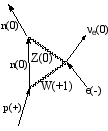
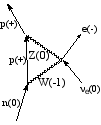 (26)
(26) Since the total rest energy of a proton and an electron is less than the rest energy of a neutron, the reaction (
24) and the first of the schemes (
26) allow to register a neutrino only at a sufficiently high electron energy (
mec2 > 1.3 MeV), which was done. In addition, a similar reaction can be realized by
K-capture of an electron by an atomic nucleus. In this case, a neutrino will be released, and the charge of the atomic nucleus will decrease by one.
Reaction (
25) and the second reaction from schemes (
26) can proceed with an arbitrary neutrino energy. In this case, the neutrino will disappear and an electron with a high kinetic energy will appear.
Both reactions are possible since the energy necessary for the reaction to proceed (≥1.3 MeV) is released during the transformation W± → Zo.
2. Now let us consider the scattering of an antineutrino on a proton and a positron on a neutron. It is easy to see that the reaction of the interaction of an antineutrino (at the antineutrino energy ) with a proton, which in a nucleus with an excess of protons is capable of emitting W+- bosons, will be allowed:
On the other hand, scattering of a positron by a neutron will occur at an arbitrary positron energy.
3. Finally, the tau-lepton decay reaction is worth considering. This reaction is believed to occur within the framework of the weak interaction, but the short lifetime of the tau-lepton (2.9·10-13 s) contradicts this.
Since the tau-lepton decay was not observed in an absolute vacuum, it should be assumed that it interacts with atomic nuclei. The weak interaction will manifest itself only when the tau-lepton interacts with the W+- boson according to the scheme of electron-to-electron neutrino transformation. Therefore, we will have the reactions
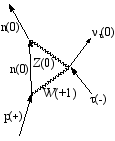
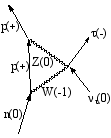 (28)
(28) These reactions will occur at an arbitrary tau lepton energy (mτc2 = 1784.36 MeV) and sufficient tau neutrino energy (Eντ > 1783.06 MeV). In this case, pions are not produced, but only a change in the nuclear charge occurs.
The first of these reactions is possible in the presence of nuclei with excess protons in space, while the second can occur in nuclei with excess neutrons. However, the tau lepton transformation reaction exists even in the absence of such nuclei. From this we conclude that according to the weak interaction scheme, the tau lepton decay reaction will be unlikely, and therefore slow. From this, such a reaction cannot describe the experimental data on the tau lepton transformation. Consequently, it is necessary to look for the reasons for the instability of the tau lepton within the framework of the strong interaction.
The tau lepton is known to have a mass exceeding the mass of nucleons. Since it has a negative electric charge, it can easily penetrate the atomic nucleus and cause a deep inelastic impact. As a result of such an impact, another particle – π– will be knocked out of the nucleus, which will take on the electric charge of the tau lepton. In this case, a tau lepton neutrino will be released from the nucleus instead of the tau lepton. Therefore, the tau lepton decay reaction has the form:
Here the nucleus (ZX) acts as a catalyst.
If a neutral pion is knocked out as a result of a tau lepton impact on the nucleus, then one proton in the nucleus will be converted into a neutron:
τ–+ZX →(Z-1)Y+ π0+ντ.(30)
In addition, there is the possibility of spontaneous decay of the tau lepton with the formation of light leptons:
(31)
All of the above tau-lepton decay reactions should proceed with high efficiency, corresponding to experimental study results.
Simultaneously with the tau-lepton decay reaction, a corresponding reaction will proceed in World-3 according to the weak interaction scheme:
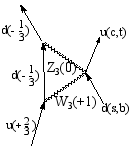
or
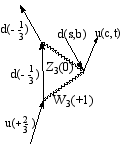 (32)
(32) 1.3. Electromagnetic Interaction
Understanding that the Universe's hierarchical structure is connected with the program laid down in the SF, which is formed on the Laws of Unity and Similarity, let us apply the principles of modeling the physics of strong interaction to electromagnetic interaction. In this case, instead of exciting the EVP to a virtual state, we will use the excitation of an electromagnetic quantum to a virtual state. Let us see whether a virtual electromagnetic quantum can provide interaction between elementary electric charges.
Elementary electric charges in the Universe are the charges of an electron and a proton. The energy of electrostatic interaction, depending on the distance between them, is
(33)
Since the transfer of an electromagnetic wave conducts the electromagnetic interaction between these charges, let's see if this wave has enough energy to provide the required amount of interaction energy.
Therefore, a standing electromagnetic wave will be established between the charges, and the length of this wave will be equal to twice the distance between the charges. You can calculate the energy of the photon and compare it with the amount of energy of the Coulomb interaction
J,(34)
the photon energy is 3 orders of magnitude greater than the Coulomb interaction energy.
By placing this wave in a potential well, we will achieve equality between the energy of a virtual photon and the energy of the Coulomb interaction. In this case, a virtual photon can provide interaction between the electric charges of elementary particles.
In the article
| [15] | Petro O. Kondratenko. Structure of the Atomic Nuclei in the Universe Model with Minimal Initial Entropy // Physical Science International Journal, ISSN: 2348-0130, 2016. Vol.: 12, Issue: 3. P. 1-12. https://doi.org/10.9734/PSIJ/2016/28694 |
[15]
, it was shown that it is possible to describe the Coulomb interaction using virtual photons only by assuming that circularly polarized photons provide such interaction. This fact is facilitated by the presence of electron helicity
. In this case, the helicity of electrons is negative, that is, they are left-handed polarized, and that of positrons is positive - right-handed polarized. Therefore, we can assume that a negative charge will absorb a left-handed polarized circular electromagnetic wave, and a positive charge will absorb a right-handed polarized one. In this case, they will emit a wave of a different polarization.
Let us describe the right-handed polarized wave emitted by a negative charge as the sum of two linearly polarized waves:
(35)
Of course, the formula should describe an electromagnetic wave , but for clarity, the image of waves by trigonometric functions is used here.
The Ez wave resembles a standing wave in a pipe; the reverse wave occurs without loss of phase. As for the Ey wave, it resembles a standing wave in a string. In this case, the reverse wave loses phase by a magnitude of π. As a result, the wave reflected from a positive charge will become left-handed polarized. As a result, an interaction will be established between these charges, which provides attraction between them. If the charges had the same sign, then the absorption of waves according to the mechanism described above would not occur. Repulsion would arise between them.
Now, we will detail the interaction between charges. For fundamental interactions, we will use the Law of Similarity. Therefore, to solve the problem of electromagnetic interaction, we will use the mechanism of strong interaction.
The formula determines the energy of the electrostatic field of a charge
The emission of a virtual photon by the field of a charged particle will lower the energy of the electrostatic field of this charge. However, the charge of the particle is quantified, i.e. unchanging. Therefore, the emission of a virtual photon is conducted by the electric field of the particle charge at the expense of the energy of the SF localized on the same particle and responsible for its mass
.
As in the case of the strong interaction, the transfer of a virtual photon between particles is accompanied by a simultaneous reverse transfer of the SF energy, which restores the SF energy of the first charge. The absorption of a virtual photon by the charge of the opposite sign leads to the transfer of the energy of the virtual photon to it and the restoration of the energy of the electrostatic field, and therefore the SF localized on it. Thus, the binding energy between charges of opposite signs will be equal to twice the energy of the virtual photon.
A photon's absorption is a dynamic process, so it is immediately accompanied by the emission of another virtual photon with the opposite polarization, which can be perceived as the appearance of a standing electromagnetic wave.
From Coulomb's law, it is known that the energy of interaction between charges due to the creation of a virtual photon depends on the magnitude of the charges of the interacting particles and is proportional to the product of the interacting charges. These charges consist of elementary charges, and each elementary charge of the first particle interacts with each elementary charge of the second particle. As a result, the interaction energy will be proportional to the product of the sum of the elementary charges of one particle by the sum of the elementary charges of the second particle. The interaction occurs between charges, but is controlled by the SF.
Thus, we have seen that there are free and virtual photons in three-dimensional space. At the same time, virtual photons provide electromagnetic interaction between electrically charged particles using SF control as the organizer of the process.
Based on the Coulomb formula for the electromagnetic interaction between electrically charged particles, we can understand that this interaction is transmitted to an arbitrary distance in the Universe. It would probably be so if everything in the Universe stood still. However, everything in the Universe is moving. What should we expect in this case?
If the electric field were continuous, then practically nothing would change. It is another matter when the interaction between electric charges is conducted by exchanging virtual photons, which move at the speed of light even in a virtual state. Such targeted transfer of a virtual photon is possible only due to the control action of the SF, which knows the coordinates of another charged particle. As long as two interacting charges are close, the virtual quantum will quickly move from one charge to another at an arbitrary speed of movement of the charges relative to each other. This type of interaction is observed between an electron and an atomic nucleus in an atom. It is another matter when the distance between the charges exceeds some critical value, which is determined by the distance the charge has moved during the time the virtual photon moved to it, and the dimensions of the body on which the charge is located.
Let us take the electrostatic interaction between the Sun and the Earth as an example. A virtual photon can cover the distance between the Sun and the Earth in 500 s. During this time, the Earth, at a speed of 30 km/s, will move away by 15,000 km, while the diameter of the Earth is 12,740 km. Therefore, we can conclude that the electrostatic interaction is absent in this case.
Let us see what happens in reality. It is known
| [17] | Michael C. Kelley. The Earth’s Electric Field: Sources from Sun to Mud1st Edition / Elsevier Science; 1st edition 2013. 232 pages. ISBN 978-0-12-397886-8. https://doi.org/10.1016/C2011-0-09612-6 |
[17]
that the Earth has a rather large electric charge, the magnitude of which is approximately 5·10
5 C. In this case, almost all of the electric field is localized between the Earth's surface and the ionosphere. A weak electric current flows through the atmosphere. At the same time, the solar wind supplies charges to the Earth's ionosphere. The solar wind's rate of supply of charges constantly varies within wide limits. Therefore, an uncompensated electric charge exists on the Earth and on the Sun. At the same time, the electrostatic interaction between the Sun and the Earth does not affect the characteristics of the Earth's orbit around the Sun.
Based on this consideration, the following conclusion can be drawn. If no other particle is charged in a certain direction, then the transfer of a virtual photon will not occur in that direction. Therefore, there is practically no field in the space outside the interacting particles.
The electromagnetic interaction due to the three-dimensional EMF must be realized in our three-dimensional space. In the one-dimensional and two-dimensional layers of the Super-Universe, the interaction between electric charges must occur due to the specific EMF characteristic of these layers.
1.4. Gravitational Interactions
The ratio between gravitational and electrostatic interactions in the electron-proton pair is kep=4.4126⋅10-40. However, in nature, gravitational interaction occurs between massive objects, the mass of which is determined mainly by nucleons. Therefore, such a ratio should be considered in the proton-antiproton pair. In this case, this ratio is kpp=0.808⋅10-36. This ratio is important in this case, since in nature, gravitational interaction occurs exclusively between large masses represented by nucleons.
Since time, mass, and Planck length determine the details of the birth of the Universe
| [18] | Petro O. Kondratenko. Scalar field and time quantum. // International Journal of Advanced Research in Physical Science. Volume 9, Issue 2, 2022, pp 1-6. |
[18]
, let us look at the ratio between gravitational and electrostatic interactions in a pair of Planck particles. In this case, we obtain the ratio:
0.2304·10-27:1.23·10-27.(37)
This formula uses the reduced Planck mass As we can see, the electrostatic and gravitational interactions now have the same order of magnitude. Suppose we use the data on the real value of the electric charge of dyons (e/6). In that case, it turns out that in World-2 the gravitational interaction is 2 orders of magnitude greater than the electrostatic one. We obtain such a ratio under the assumption that the value is the same in all layers of stratified space. In fact, this is not the case. Thus, we can expect that the gravitational and electromagnetic interactions in World-2 are the same.
Since Planck particles are located in a one-dimensional layer of the Super-Universe, this gives reason to consider gravitational interaction not in the Universe, but in a layered Super-Universe.
Let's see how gravitational interaction differs from electrostatic interaction in that it manifests itself at an arbitrary distance between objects.
In connection with the discovery of gravitational waves
, many scientific works appeared with the interpretation of experimentally obtained results. At the same time, it is worth noting the idea that gravitational waves arose when two black holes merged. The author considered the process of merging black holes from the standpoint of the UMIE model
| [1] | Petro O. Kondratenko. The Birth and Evolution of the Universe with minimal initial Entropy. // International Journal of Physics and Astronomy. December 2015, Vol. 3, No. 2, pp. 1-21. Published by American Research Institute for Policy Development. URL: http://dx.doi.org/10.15640/ijpa.v3n2a1 |
[1]
. It was shown that the laws of physics will not be violated only in the case when the excess mass and energy, according to the virial theorem, go beyond the limits of interaction with the black hole
| [20] | Petro O. Kondratenko. Creation and Evolution of the Galaxy in the Universe Model with Initial Minimum Entropy // International Journal of Advanced Research in Physical Science. - Volume 6, Issue 6(6), 2019, pp. 1-11. |
[20]
in the form of a SF
, which is characterized by 12 spatial and temporal coordinates. Therefore, it can go beyond the limits of the black hole, creating conditions for the existence of a gravitational field in black holes.
The development of the theory of gravity began with the emergence of Newton's formula
which reflected Kepler's empirically obtained laws for the motion of the planets of the Solar System. It is significant that this formula correctly reflected the gravitational interaction between bodies in both the classical and quantum approaches. Further development of the theory of gravity practically did not go beyond the phenomenological approach to understanding the phenomenon. As a result, the nature of gravitational interaction remains unknown.
Separately, it is necessary to mention Kaluza's theory, which, being geometric, has withstood the test of time. However, attempts at its analytical description constantly encounter an insurmountable obstacle. Nevertheless, Kaluza's theory makes it possible to conclude that the unknown SF is responsible for the appearance of both the electromagnetic field and the gravitational field, which forms virtual gravitational waves. Moreover, based on the Law of Unity and Similarity
| [1] | Petro O. Kondratenko. The Birth and Evolution of the Universe with minimal initial Entropy. // International Journal of Physics and Astronomy. December 2015, Vol. 3, No. 2, pp. 1-21. Published by American Research Institute for Policy Development. URL: http://dx.doi.org/10.15640/ijpa.v3n2a1 |
| [21] | Petro O. Kondratenko. Model of the Creation and Evolution of the Universe with Minimal Initial Entropy. Fundamental Interactions in the Universe / LAMBERT Academic Publishing. - 2017. – 130 p. ISBN: 978-620-2-06840-6. |
[1, 21]
, it can be argued that the SF is responsible for all fundamental interactions in the Universe.
Just as Kaluza's theory has stood the test of time, so has Einstein's geometric interpretation of the gravitational field. However, in this case too, nothing can be said with certainty about the nature of the gravitational field.
Using phenomenological approaches, scientists try to describe the gravitational interaction in a similar way to the description of other interactions, particularly the electromagnetic interaction, based on both the classical and quantum theories of these interactions. Unfortunately, they forget that a vector field and the gravitational one by a tensor field describe the electromagnetic interaction. In addition, the graviton is attributed to zero rest mass, spin 2, and helicity. Let's analyze this model using the example of a black hole.
A black hole has such a powerful gravitational field that not even a quantum of light with the appropriate energy and mass can escape from it. The graviton is attributed to properties similar to those of photons. On the other hand, the presence of gravitational interaction between bodies indicates that the graviton must have non-zero mass and energy. So, how can the gravitational field of a black hole release it?
A significant difference between electrostatic and gravitational interactions is that gravitational interaction manifests itself not only within the solar system but also in the galaxy, clusters of galaxies, and clusters of galaxies in the Universe. As a result, large clusters of galaxies and large voids appear in the Universe. Thus, gravitational interaction manifests itself in the Universe to the fullest extent, despite the constant motion of stars, galaxies, and their clusters.
In physics, it is established that gravitational interaction exists between masses that function as gravitational charges. On the other hand, in our works it is established that the mass of a body is responsible for the SF localized on it
. From this we conclude that the SF also controls the gravitational interaction, creating mass virtual waves called gravitons. Unlike electromagnetic waves, the SF is multidimensional; therefore, gravitons are multidimensional.
Let us carefully consider Newton's formula (
38) for gravitational interaction. It is easy to see that it provides a constant magnitude of the interaction force when the scale of the interaction changes. To do this, it is necessary to simultaneously change the magnitude of the interacting masses and the distance between them by the same factor. It is logical to conclude that this fact is used by gravitational interaction at different hierarchical levels (HL). This conclusion must be made, realizing that the transfer of a graviton wave between two interacting stars within the same galaxy or between galaxies would require many years if the graviton were three-dimensional. If there was a motion of all stars and galaxies, such an interaction would be impossible. Since the graviton wave is multidimensional, this allows it to immediately take advantage of the presence of a delocalized point of interaction between World-4 and World-3, as well as between World-3 and World-2, the dimensions of which are combined with the properties of the SF and World-1, for transfer between interacting masses.
Experience shows that the transformation of a star into a black hole ensures that the gravitational attraction of matter to the black hole remains unchanged. It ensures that the black hole captures matter, stars, and other black holes from nearby space if they come close enough to the black hole.
In the article
| [20] | Petro O. Kondratenko. Creation and Evolution of the Galaxy in the Universe Model with Initial Minimum Entropy // International Journal of Advanced Research in Physical Science. - Volume 6, Issue 6(6), 2019, pp. 1-11. |
[20]
, it was shown that galactic arms could be formed only as a result of the merger of black holes. It was also shown that only the SF and gravitational waves generated by the SF can go beyond the black hole. At the same time, the exit of matter beyond the black holes could be provided only by the multidimensional SF
, as an intermediary of this process. In other words, the black hole emits the SF, and the SF at a certain distance from the black hole creates matter in the Universe.
Using its multidimensionality and the presence of information interaction between layers of stratified space, which occurs through a delocalized point, the SF "knows" the coordinates of all masses in the Universe
. In this case, it can organize the interaction between massive bodies (planets, stars) or massive systems of bodies (galaxies).
It is clear that the SF and the gravitational waves generated by it must have dimensions that exceed those of our Universe.
Unlike electrostatic interactions between charges, which can lead to attraction or repulsion of charged particles depending on the sign of the electric charge, gravitational attraction occurs between masses of the same sign. Given the tensor nature of the gravitational field, it can be assumed that the interaction between masses of the same sign is conducted by the exchange of gravitons, represented by a double helix.
In this case, the standing wave of the interaction (virtual graviton) between massive bodies must contain the full wavelength so that the phases at both ends are the same, i.e., at x = r = λ the phase of the wave will change by 2π. Therefore, the condition for the subsequent radiation is preserved, i.e., the same double helix is emitted as is absorbed.
Since the SF, thanks to its dimensionality, can instantly overcome arbitrary distances in the Universe, it can contribute to the fact that the interaction between galaxies will occur almost instantaneously. We emphasize once again that this possibility is caused by the hierarchical structure of the Universe
| [22] | Petro O. Kondratenko. Hierarchy of the Universe and fundamental interactions // Visnyk Sumskoho Universytetu, ser. phys., math., mech., 2006, No 6(90), p. 57-64. (in Ukrainian). https://kondratenko.com.ua |
[22]
.
We know that at the first three HL interactions (weak, strong, and electromagnetic) the speed of its propagation is equal to the speed of light. At the planetary levels, as well as at the levels of star systems, galaxies, and galactic clusters, different laws of propagation of gravitational interaction will operate due to its multidimensionality.
Considering the Universe's hierarchical structure, the author concluded that in the upper HL, the speed of gravitational interaction should significantly exceed the speed of light. When the properties of the SF became clear
, then it became clear that such a fact could take place. The presence of gravitational interaction in the galaxy and between galaxies in the Universe is explained by the properties of the SF.
The physics of gravitational interaction can be understood using the mechanisms of strong interaction, based on the Law of Similarity in the Universe. In both cases, the interaction is realized through the exchange of virtual bosons. However, considering the universe's hierarchical structure, we saw that gravitational interaction should be different at different HLs, although it occurs through the exchange of virtual gravitational waves (gravitons). In other words, gravitational waves at different HLs should have different properties.
This exchange looks like this. Let mass A interact with mass B. Mass A emits a graviton, reducing the energy of the SF localized on it. Towards the graviton, SF energy is transferred from mass B, compensating for the loss in radiation by mass A. In turn, the graviton restores the energy of mass B and disappears, passing into the vacuum state. This event causes the excitation of a new graviton and its emission by mass B. At the same time, the SF energy absorbed by mass A stimulates the emission of SF energy towards the graviton to mass B. Therefore, in addition to the EVP, the physical vacuum contains not only zero oscillations of the electromagnetic field, but also zero oscillations of the gravitational field.
The cycle of radiation and absorption of graviton and SF is repeated infinitely. The multidimensionality of SF and gravitational waves will be responsible for the extremely weak gravitational interaction between bodies. Let's see in detail how this looks.
To model gravitational interactions at different HLs, let us take some numbers that are not very different from real numbers as a basis. In the future, these numbers can be refined according to the data from observations of the universe. First of all, let us pay attention to the estimate of the radius of the Universe and the mass of matter in the Universe, given in
| [1] | Petro O. Kondratenko. The Birth and Evolution of the Universe with minimal initial Entropy. // International Journal of Physics and Astronomy. December 2015, Vol. 3, No. 2, pp. 1-21. Published by American Research Institute for Policy Development. URL: http://dx.doi.org/10.15640/ijpa.v3n2a1 |
[1]
:
RU = 1.3·10
26 m,
MU = 4.18·10
51 kg. We will assume that these numbers correspond to the structure of the Universe. Having this data, we will calculate the practical value of the number of stars with a mass equal to the mass of the Sun. The calculation shows that it is N
ef ≈ 2.1·10
21. This value can be represented as the product of the total number of galaxies (N
tng) and the number of stars (N
Star) in the galaxy: N
ef = N
tng·N
Star. Let us assume that N
tng = N
Star ≈ 4.6 10
10, which is consistent with the estimate given in
| [23] | Ivo Labbé, Pieter van Dokkum, Erica Nelson et al. A population of red candidate massive galaxies ~600 Myr after the Big Bang. Nature. Published online February 22, 2023, Apr; 616(7956): 266-269. https://doi.org/10.1038/s41586-023-05786-2 |
[23]
. Therefore, this assumption may be held. Let us further assume that the total number of galaxies in the Universe is distributed between the number of galaxy clusters (N
gc) and the number of galaxies in the cluster (N
g), so that N
g = 2 10
3 galaxies and N
gc = 2.3 10
7.
Newton's formula (
38) provides a constant value of the gravitational interaction force when the scale of the interaction changes. Therefore, to present the material further, we will introduce a scale factor (
k) for all HLs where gravitational interaction manifests itself. The value of the scale factor will determine in which layer of the stratified Super-Universe the maximum value of the graviton energy will be located and where the gravitational charge of the corresponding HL will be localized.
The multidimensionality of gravitational interaction will require the force of interaction to be the same in all layers of stratified space. At the same time, when moving from World-4 to the worlds of lower dimensions, the energy of gravitational interaction increases significantly, so that in World-2 the energies of electrostatic and gravitational interactions between dyons have the same order of magnitude. Returning to the final destination object in World-4, the interaction energy decreases to the initial state. Therefore, we can only talk about the energy of gravitational interaction familiar to us in World-4. Due to its multidimensionality, the gravitational interaction in the Universe is so small.
The scale factor k's value must be different for different HLs of gravitational interaction. Otherwise, we will reduce these HLs to one HL.
Above, we discussed time unity on the minimum element on different HLs. In other words, for one oscillation of the corresponding graviton, the signal must cover the size of the minimum element. From here, it is easy to calculate the value of k.
In the Universe Δt = h/Mminc2. In another layer Δt1 = h/kMminc2.
At the same time
From here
The calculation of the values of the parameters included in Newton's formula for each HL is given in
Table 2.
Table 2. Calculation of gravitational interaction parameters at different hierarchical levels.
HL | RHL, m | RHLmin, m | Mmin, kg | RHL/RHLmin | k | kMmin | k·RHLmin | k·RHL |
Planetary systems | ~4.5·1012 | 6.4·106 | 6·1024 | 0.7·106 | 2.3·10-37 | 1.4·10-12 | 1.5·10-30 | 1.1·10-24 |
Stellar systems | ~4.7·1020 | ~4.5·1012 | 2·1030 | 1.04·108 | 5·10-44 | 1·10-12 | 2.3·10-30 | 2.3·10-22 |
Galaxy clusters | ~2·1023 | ~4.7·1020 | 9·1040 | 425 | 2.3·10-52 | 2.1·10-11 | 1.1·10-31 | 7·10-29 |
Metagalaxy | 1.3·1026 | ~2·1023 | 1.8·1044 | 650 | 2.5·10-55 | 2.2·10-14 | 5·10-32 | 3.3·10-29 |
As can be seen from
Table 2, the Earth is the minimum element of the planetary system, and the Solar System is the maximum. It is also the minimum element for the galaxy.
To interpret the obtained calculation results, we will pay attention to the fact that in World-3 the average distance between quarks is 10
-13m, and between dyons in World-2 - 6·10
-34 m
| [1] | Petro O. Kondratenko. The Birth and Evolution of the Universe with minimal initial Entropy. // International Journal of Physics and Astronomy. December 2015, Vol. 3, No. 2, pp. 1-21. Published by American Research Institute for Policy Development. URL: http://dx.doi.org/10.15640/ijpa.v3n2a1 |
| [24] | Petro O. Kondratenko. Creation and Evolution of the Universe. From the Bible to Sciences (Пётр Кондратенко. Создание и эволюция Вселенной. От Библии к науке), LAP LAMBERT Academic Publishing. - 2018. – 625 pp. (in Russian). ISBN: 978-613-4-97687-9. |
[1, 24]
. Comparison of the parameters given in the last three columns of
Table 2 with the parameters of particles in the three layers of the stratified Super-Universe shows that the reduced distances are significantly smaller than in World-3, but more prominent than in World-2. At the same time, the minimum reduced mass is several orders of magnitude smaller than the Planck mass and several orders of magnitude larger than the mass of particles in World-3 and World-4. This result may indicate that gravitational waves propagate simultaneously in World-2 and World-3. Therefore, in theory we are dealing with reduced masses and distances that describe gravitational interaction in a multidimensional Super-Universe.
The value of the constant
ke in Coulomb's law is different in different layers of the stratified Super-Universe. Let us assume that in World-2 the values of the electrostatic and gravitational interactions between dyons are the same. This will allow us to estimate the value of the constant in Coulomb's law for one-dimensional space. Since the gravitational interaction is realized in the one-dimensional and two-dimensional layers of the Super-Universe, we can assume that the constant G is the same for the entire Super-Universe. In this case, we rewrite formula (
23) as:
From here
which is almost 5000 times greater than the constant in Coulomb's law in the Universe. If we use the reduced Planck mass, the value of
ke in formula (
42) will decrease by 8π times, i.e. it will become equal to 1.77·10
12.
However, the question remains: does the
HL affect the value of the gravitational interaction constant (γ, G)? From
Table 2, we can conclude that such an effect exists. In this case, the value of the interstellar gravitational interaction increases constantly, and at higher
HLs, it decreases. This is indicated by a significant decrease in the value of
k RHL for the interaction between galaxies and galaxy clusters. Purely phenomenologically, this can be imagined as an additive repulsion, the value of which increases with increasing distance. In this case, we will obtain an accelerated divergence of galaxies
| [25] | Adam G. Riess, Alexei V. Filippenko et al. Observational Evidence from Supernovae for an Accelerating Universe and a Cosmological Constant // The Astronomical Journal, 1998, Volume 116, Number 3, 1009. https://doi.org/10.1086/300499 |
[25]
.
On the other hand, in
| [26] | Bogdan Novosyadliy. Dark energy - the mystery of the century // Electronic resource (Богдан Новосядлий. Темна енергія — загадка століття // Електронний ресурс) http://www.romm.net.ua/article.php?id=12 (08.04.2013). |
[26]
it is suggested that the accelerated divergence of galaxies may be due to a non-zero value of the cosmological constant Λ. The value of the cosmological constant was calculated in
. Its value is Λ = 2.7958473 10
-56 cm
-2. This fact confirms that it is necessary to carry out additional calculations of the possible contribution of the constant Λ to the accelerated expansion of the Universe. It turned out that physicists are not familiar with the monograph by I. Gerlovin
, so the author of this article provided data on Λ in the article
| [27] | Petro O. Kondratenko. The Evolution of the Universe in a Model with minimal initial Entropy // International Journal of Advanced Research in Physical Science (IJARPS). - Volume 6, Issue 3, 2019, pp 24-36. https://doi.org/10.20431 |
[27]
.
Now, let us pay attention to the gravitational interaction of a massive body with a photon. A photon has a mass of mph = hν/c2. Therefore, it will be attracted to massive bodies, distorting its trajectory of motion.
It was shown above that the gravitational interaction is completely due to the participation of the SF. Is the SF present near the photon? To answer this question, it is worth referring to the I monograph. Gerlovin
showed that the excitation of the EVP causes the appearance of a wave that moves at a speed c. That is, simultaneously with the photon, the wave of excitation of the EVP to the virtual state also moves. And such excitation is possible only thanks to the SF. Therefore, the photon moves together with the SF and therefore can have a mass and participate in the gravitational interaction.
Astronomers have a problem with the discrepancy between the value of the Hubble constant and the average density of matter in the Universe. This problem is due to the fact that astronomers see only 5% of the mass necessary to explain the value of the Hubble constant. Therefore, they introduced the concept of dark matter and dark energy, although they do not know what they are. And, despite such an anti-scientific explanation, many cosmologists have switched to searching for the nature of dark matter and energy. Many scientific works have appeared on this topic and their number continues to grow. This situation has not led to the understanding that abandoning the standard model of the creation of the universe is necessary. In fact, it is necessary to develop a model of the UMIE that does not contradict the laws of physics.
The article
| [27] | Petro O. Kondratenko. The Evolution of the Universe in a Model with minimal initial Entropy // International Journal of Advanced Research in Physical Science (IJARPS). - Volume 6, Issue 3, 2019, pp 24-36. https://doi.org/10.20431 |
[27]
showed that in the UMIE model, no more than 8% of the mass in the Universe can be seen by optical methods. Since the mass of stars is constantly increasing from birth to the present, their mass was significantly less in the past. We can conclude, taking into account the well-known fact that the radiation capacity of a star depends on its mass, that at the beginning of the development of the Universe (perhaps for hundreds of millions of years), when the mass of stars was still small, it was impossible to see newborn stars by optical methods. Therefore, we can actually see no more than 5% of the mass of stars with astronomical instruments.
Gravitational waves see all 100% of the current mass of the Universe. This is confirmed by the complete correspondence between the Universe's current mass and the Hubble constant's value. The lack of understanding of this fact within the Standard Model of the birth of the Universe has led to the emergence of anti-scientific theories that effectively inhibit science.
The article
| [23] | Ivo Labbé, Pieter van Dokkum, Erica Nelson et al. A population of red candidate massive galaxies ~600 Myr after the Big Bang. Nature. Published online February 22, 2023, Apr; 616(7956): 266-269. https://doi.org/10.1038/s41586-023-05786-2 |
[23]
states that the speed of propagation of gravitational interaction in the Universe is equal to the speed of light on the basis that it was possible to register the collision of two neutron stars simultaneously in the form of a flash of high-energy γ-quanta and a gravitational wave pulse. In this regard, it is worth saying that in fact the experimenters saw not a gravitational wave, which is responsible for the gravitational interaction, but an energy pulse of the SF
, which carries away excess energy when two massive bodies merge - neutron stars or black holes
| [20] | Petro O. Kondratenko. Creation and Evolution of the Galaxy in the Universe Model with Initial Minimum Entropy // International Journal of Advanced Research in Physical Science. - Volume 6, Issue 6(6), 2019, pp. 1-11. |
[20]
. Being multidimensional, the SF can form an energy pulse both in the multidimensional Super-Universe and in the three-dimensional Universe. It is clear that the transfer of SF energy in the Universe can only occur at a speed not exceeding the speed of light in a vacuum.

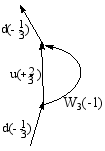
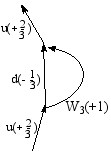
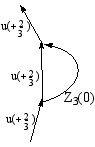
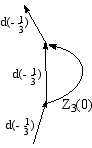 (22)
(22) 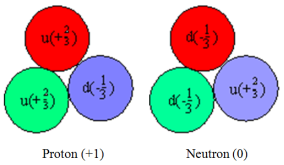
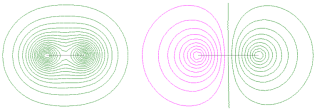
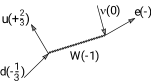
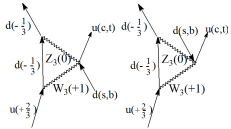
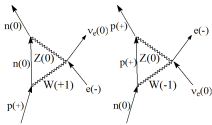




 Share This Article
 Twitter
 Linked In
 Facebook


 Copy
Copy Download